 1800 266 8484
 9321914991
 vacations@tbi.co.in



“Where paradise finds its address on earth.”
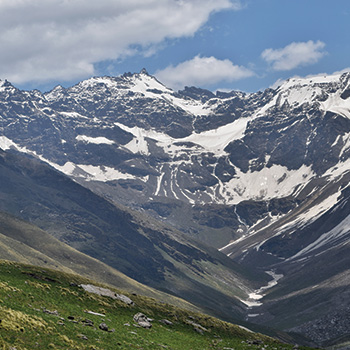
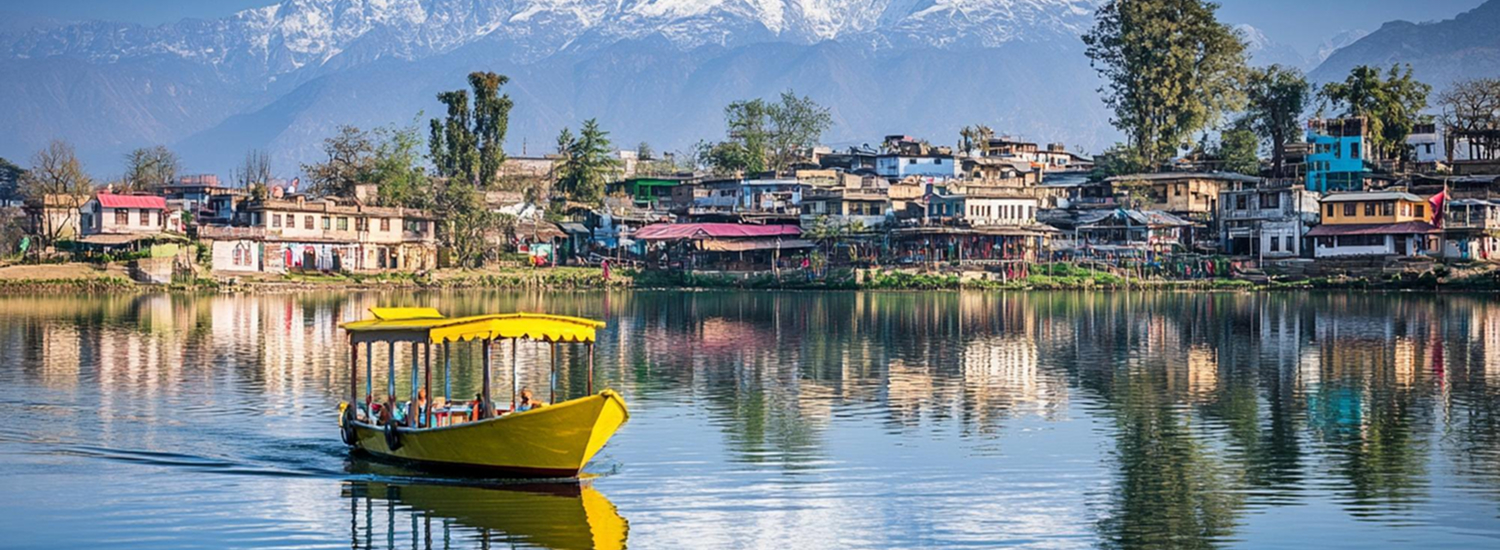
Words fall short of describing the beauty and charm of the crown jewel of India. Kashmir is a land of snow-capped mountains, lush Mughal gardens, and the gentle ripples of Dal Lake. Stay in luxurious houseboats with the Himalayas as your backdrop. Stroll through sprawling gardens that define tranquillity. Sip on steaming Kahwah in the misty cold and shop for handwoven pashminas. From the saffron blooms of Pahalgam to the adventurous trails of Sonmarg, Kashmir promises a journey that lingers in your soul long after you have left.
Discover Kashmir's Finest Places
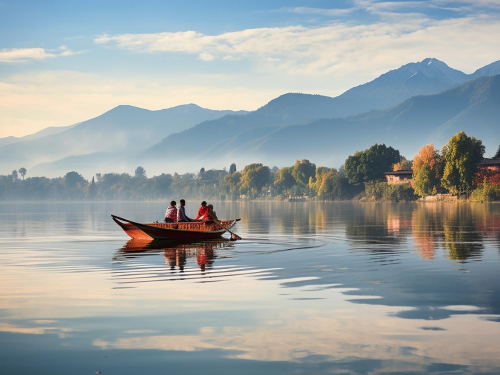
Dal Lake
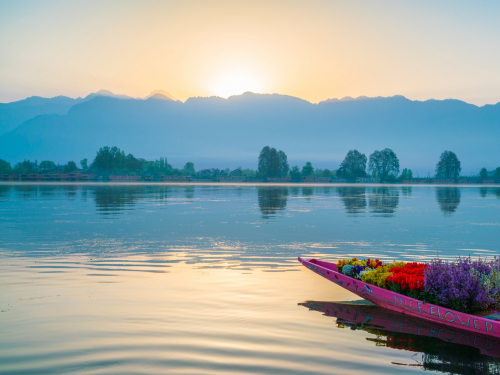
The jewel in the crown of Kashmir, Dal Lake, is synonymous with Srinagar. Its shoreline stretches over 15 kilometres, lined with Mughal-era gardens, parks, and the iconic houseboats that offer a unique stay experience. Glide across the water in a colourful shikara, watch lotus flowers bloom in the floating gardens during July and August, and witness the vibrant floating market where vendors sell fresh produce from boat to boat.
Gulmarg
Meadow of flowers, Gulmarg, is located 60 kilometres from Srinagar. The Gulmarg Gondola, the highest cable car in the world, takes you to Kongdori Station at 8,530 feet and further up to 12,293 feet. In summer, ride horses to the magnificent Strawberry Valley. In winter, the landscape transforms into a skier's paradise with pristine, untouched slopes. Gulmarg was once a resort for Mughal emperors Yousuf Shah Chak and Jahangir, who visited frequently to escape the plains.
Sonmarg
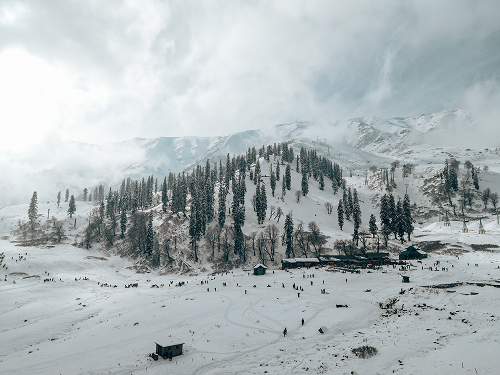
Meadow of gold, Sonmarg has snowy mountains as its backdrop and the Sindh River meandering alongside. The river abounds with trout and mahseer. Ponies can be hired for the trip up to Thajiwas Glacier, a major attraction during the summer months. From Sonmarg, trekking routes lead to high-altitude Himalayan lakes, including Vishansar, Krishansar, Gangabal, and Gadsar, all stocked with snow trout and surrounded by alpine flowers.
Pahalgam
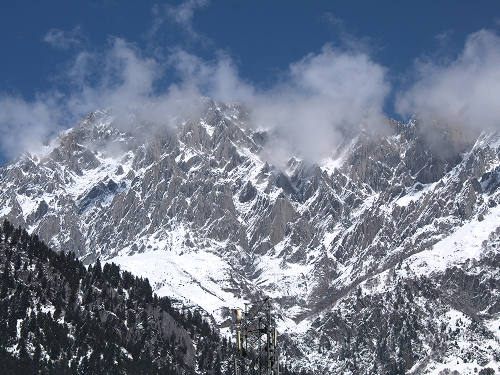
One of the most famous health resorts of Kashmir, Pahalgam is situated in District Anantnag among lofty hills covered with evergreen forests. The melodious flow of the Lidder River attracts visitors from around the world. It also serves as the transit camp for the holy Amarnath Yatra, 72 kilometres from the district headquarters. Sweet-smelling saffron blooms here, producing the world's most coveted and costliest spice.
Chashma Shahi
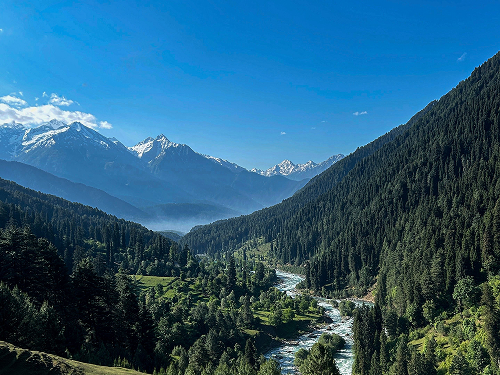
One of the Mughal gardens built in 1632 around a freshwater spring by Ali Mardan Khan under Emperor Shah Jahan. The garden is 108 metres long and 38 metres wide, spread over one acre overlooking Dal Lake. Water flows through terraces in aqueducts, waterfalls, and fountains. The spring water is believed to have medicinal properties, and former Prime Minister Jawaharlal Nehru used to have it transported to Delhi.
Wular Lake
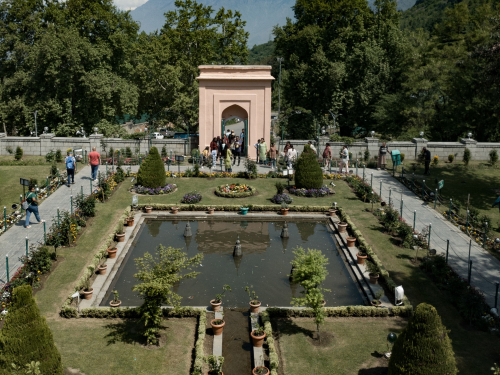
The second largest freshwater lake in Asia, situated on the foothills of Haramuk Mountain. Spread over 200 square kilometres, the lake lies between the towns of Sopur and Bandipore. A small island called Zaina Lank sits at its centre, constructed by King Zainul Abidin. The lake is also a remnant of the ancient Satisar Lake and forms a popular sunset point.
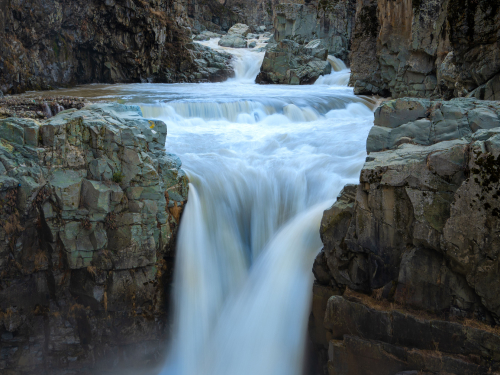
Aharbal
Known as the Niagara Falls of Kashmir, Aharbal is located on the River Veshav in Kulgam. The 25 metre waterfall creates a thunderous rumble that merges into a pool of calm, azure blue water. The area offers fishing spots and trekking options, making it a paradise for nature lovers and photographers.
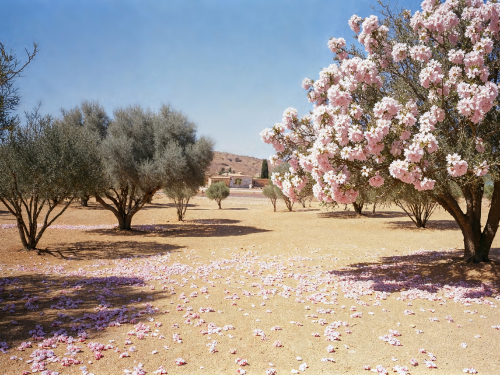
Badamwari
The early bloom of flowers on almond trees in this sprawling historic garden in Shahr e Khaas heralds the arrival of spring. Spread over 300 kanals on the foothills of Koh e Maran, the garden existed even before the rule of Sultan Zain ul Abidin in the 14th century. A well-covered dome is named after an Afghan ruler, Warris Shah. The garden was revived and opened to the public in 2008.
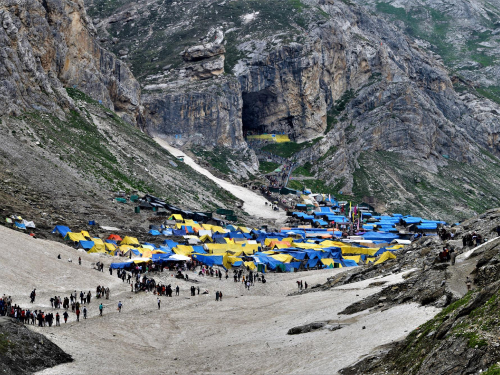
Amarnath Cave
Situated at an altitude of 13,000 feet, the Amarnath Cave is one of the holiest shrines in Hinduism. Inside the cave, an ice stalagmite forms a natural Shiva Lingam that waxes and wanes with the moon. Two smaller ice formations represent Parvati and Ganesha. The annual pilgrimage during the month of Shravan (July to August) draws thousands of devotees who trek through Chandanwari, Sheshnag, and Panjtarni to reach the cave.
Kashmir Travel Essentials
Best Time to Visit
March to October offers pleasant weather. Spring brings tulips and almond blossoms. December to February are ideal for snowfall and a winter experience.

Clothing & Packing
Pack warm layers even in summer, as evenings can be cool. Heavy woollens are essential from November to February. Comfortable walking shoes for gardens and treks.

Local Dishes
Do not leave without trying Rogan Josh, Yakhni, Dum Aloo, and Kashmiri Pulao. Sip on steaming Kahwah, a traditional green tea brewed with saffron, cardamom, and almonds.

Shopping Tips
Kashmir is famous for Pashmina shawls, hand-knotted carpets, papier mache crafts, and walnut wood carvings. Shop from government emporiums for authentic products.

Mobile & Internet
Only postpaid mobile connections from the rest of India (such as Jio, Airtel, and BSNL) work in Kashmir.

Transport & Permits
Private vehicles are not allowed in certain areas, like Sonmarg. Hire local taxis or ponies for glacier visits. The Amarnath Yatra requires a registered permit.

Featured Itineraries
Explore the best of India with perfectly planned journeys.
FAQ’S
Yes, Kashmir is safe for tourists. The region welcomes visitors warmly. However, don’t be shocked by the abundance of military checkpoints, tanks on the side of the road, military trucks and heavily armed soldiers roaming down the streets.
The nearest airport is Srinagar International Airport, connected to Delhi, Mumbai, and other major cities. The nearest railway station is Jammu Tawi, about 250 kilometres from Srinagar.
Indian citizens do not need a permit to visit Kashmir. International tourists require a valid passport and visa. Special permits are required only for certain protected areas near the border, which TBi can arrange.
Always book local transport through authorized travel agencies or prepaid counters, such as those at Srinagar Airport, rather than unverified private vehicles. Avoid travelling late at night in remote areas. Sightseeing and inter-city transits are best done during daylight hours for safety and convenience.
Dress modestly, especially when visiting shrines, temples, and mosques. Shoulders and knees should ideally be covered. Always remove your shoes before entering any religious site. Pack warm layers as evenings can be cool even in summer, and heavy woolens are essential from November to February.
✖
👋 Need help?
Search any product, blog, page or get direct URL instantly.
Search any product, blog, page or get direct URL instantly.
AI Assistant
−
✖
Before We Start 👋
Please share your details.